SRE and AI/ML: A Synergistic Approach to System Reliability
Explore how AI and ML can be integrated into SRE practices to enhance system automation, predictive analytics, and anomaly detection.
Read article →Site Reliability Engineering
A necessary evolution. Notes, practices and lessons learned after 20+ years running Unix/Linux systems and the last years as a Site Reliability Engineer.

Working in IT since 1995, 16+ years as a Unix/Linux SysAdmin and an SRE since 2017.

Explore how AI and ML can be integrated into SRE practices to enhance system automation, predictive analytics, and anomaly detection.
Read article →
Site Reliability Engineering (SRE) has revolutionized the way organizations approach system reliability and performance. Originating at Google, SRE combines software engineering and systems administration to build and maintain reliable and scalable systems. By adhering to SRE best practices, organizations can significantly improve their operational efficiency, reduce downtime, and enhance user experience.
Read article →
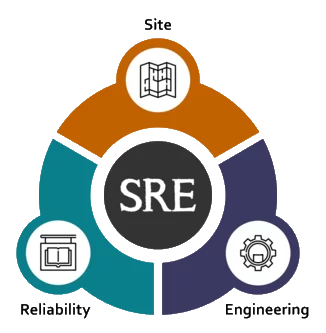
Site Reliability Engineering (SRE) is a discipline focused on ensuring the reliability and scalability of technology systems. It emphasizes automation, measurement, capacity planning, scalability, error management, resilience, and collaboration between development and operations teams. By adhering to these principles, SRE teams can build and maintain highly reliable and scalable systems that meet service level objectives.
Read article →Digital transformation has redefined the technological landscape, demanding more versatile and proactive professionals. In this context, the role of the systems administrator (Sysadmin) has evolved into that of the Site Reliability Engineer (SRE), a hybrid figure that combines deep knowledge of operating systems with advanced skills in software development and automation.
During the 90s and 2000s, Sysadmins were the pillars of technology operations. Their main mission was to keep operating systems and applications running stably. This often involved manual and lengthy processes, but their deep technical knowledge guaranteed business continuity.
However, the arrival of virtualization and the cloud in the mid-2000s brought new challenges: managing multiple virtual servers, dynamic scalability, and the need to automate repetitive tasks to minimize human errors.
In the late 2000s, Google introduced the concept of SRE, a model that emphasized reliability, scalability, and automation. During the 2010s, SREs shifted focus to designing more resilient systems, using metrics to make informed decisions, and collaborating closely with development teams.
In theory, Sysadmins and SREs coexisted, but in reality companies began to look for professionals who could play both roles. Thus the traditional Sysadmin evolved into the SRE who, in addition to managing infrastructure, had to ensure the reliability and scalability of systems.
For Unix and Linux Sysadmins, the transition to SRE is the opportunity to move from being system maintainers to architects of scalable and reliable solutions.
SREs not only maintain systems, they define strategic processes that improve the quality of services.
SRE demands automation, programming and interpersonal skills that enrich the professional profile.
SRE promotes integration between development and operations, eliminating organizational silos.
On the other hand, those who lack experience as Sysadmins may face a long learning curve (missing foundations in infrastructure and distributed systems) and a contextual disconnect: without solid knowledge of operating systems it is hard to fully understand the challenges of large-scale systems.
Adapting to modern tools such as containers and cloud platforms, and moving from reacting to incidents to a proactive approach.
Fostering a DevOps culture based on collaboration and continuous improvement, and sharing responsibilities with other technical teams.
In my case the transition was not easy. I started as a Sysadmin specialized in Unix, working with AIX, RedHat and HP-UX. In 2017 I realized I needed to adapt to new technologies such as cloud, containers and DevOps.
I had to learn tools such as Chef, Ansible and Docker, and gain practical experience with GitLab, Jenkins and Kubernetes. Freelance projects gave me exposure to platforms such as AWS and GCP, which consolidated my experience as an SRE.
The transition from Sysadmin to SRE is a challenging but rewarding path. By taking a proactive approach, acquiring new skills and fostering collaboration, Sysadmins can become highly valued professionals in today's market. The key is to never stop learning.